Best BBQ Tools & Accessories
The BBQ accessories market is full of gimmicks — 57-piece tool sets, novelty gadgets, and unitaskers that take up drawer space and never get used. This is a list of what actually helps, organized by the job it does. We've skipped the obvious (you need tongs) and focused on the things people either overlook or buy wrong versions of.
The most important purchase you haven't made: a leave-in thermometer
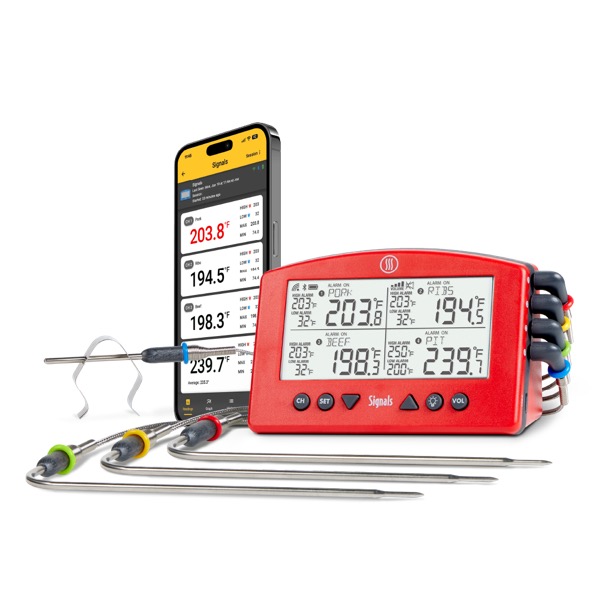
Wireless Leave-In Probe Thermometer
If you're cooking long smokes (brisket, pork shoulder, ribs), a leave-in probe thermometer that transmits temperature to your phone is the single highest-leverage tool after the smoker itself. You don't have to open the lid every hour to check — you watch the temperature climb, recognize the stall (the 160-170°F plateau where moisture evaporation holds the temp), and know exactly when the meat hits your target without being tethered to the backyard.
The ThermoWorks Signals and the MEATER Block are the most widely praised wireless systems. MEATER is truly wireless (no wire running through the oven seal) but shorter Bluetooth range; Signals uses wired probes but connects over WiFi with much longer range and more probe ports.
Best investment after the smoker itself. Read our full meat thermometer guide before buying.
Shop Wireless Probes on AmazonFire starting: chimney starter (not lighter fluid)
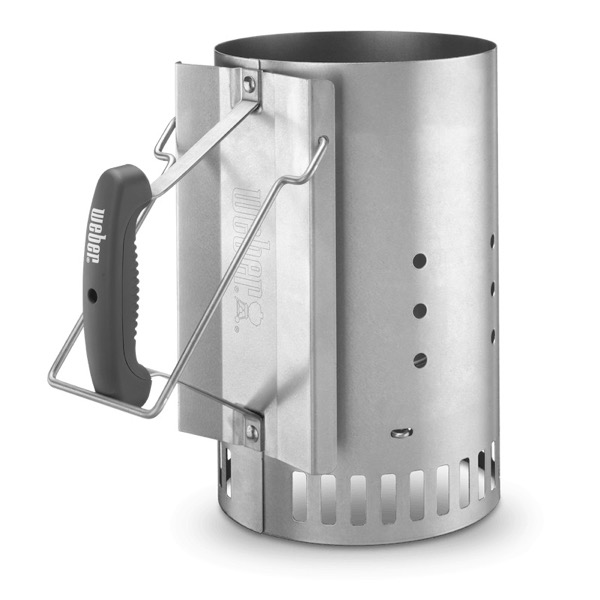
Charcoal Chimney Starter
Lighter fluid leaves a chemical taste on your food and is unnecessary. A chimney starter uses newspaper or a fire starter square to light charcoal from below — the coals are ready in 15-20 minutes without any chemical involvement. Weber's chimney starter is the standard recommendation: the size is right, the handle stays cool, and it lasts for years. This is a $15-$20 purchase that immediately improves every charcoal cook.
If you use a charcoal or kamado grill, this is non-negotiable.
Check Price on AmazonGrill grates: GrillGrates for better searing
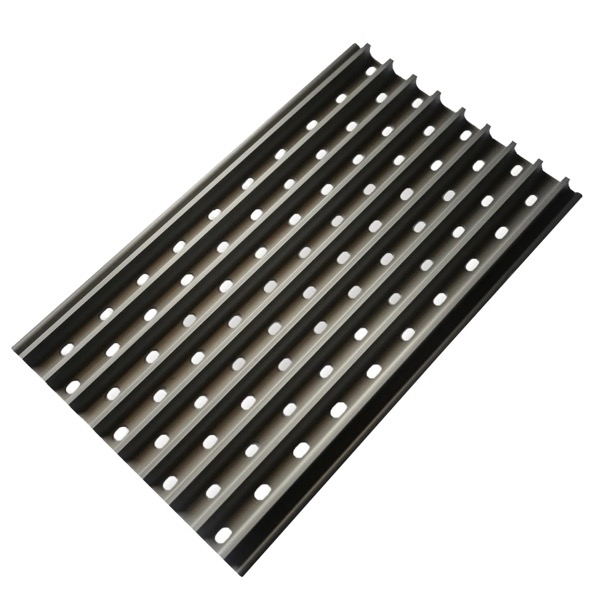
GrillGrates
GrillGrates are a set of interlocking aluminum grates that sit on top of your existing grate. They work by concentrating and redistributing radiant heat through raised rails, producing better sear marks and more even cooking surface temperatures — and they reduce flare-ups since the valleys catch dripping fat. They make a meaningful difference on gas grills with hot spots, and they're also popular on pellet smokers for searing.
A real upgrade for gas grillers; a nice-to-have for pellet smokers. Less necessary on charcoal/kamado where heat is already intense.
Check Price on AmazonInjectors: worth it for big cuts
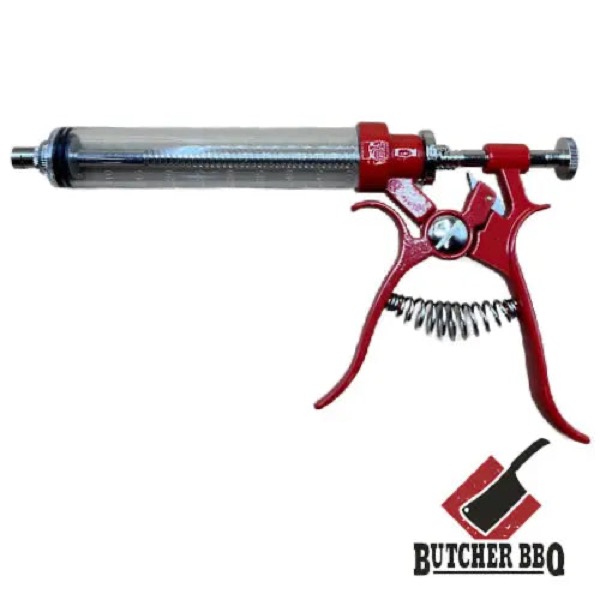
Meat Injector
Injecting a brisket or pork shoulder with butter, broth, or a seasoning liquid before the cook adds moisture and flavor from the inside out — something surface rub alone can't do. A decent injector with multiple needle tips (a thin needle for broth, a larger needle for thicker marinades) is a $20-$30 purchase that makes a real difference on long smokes.
Worth it if you regularly cook brisket or whole pork shoulders. Not necessary for ribs or smaller cuts.
Check Price on AmazonButcher paper (not foil) for wrapping
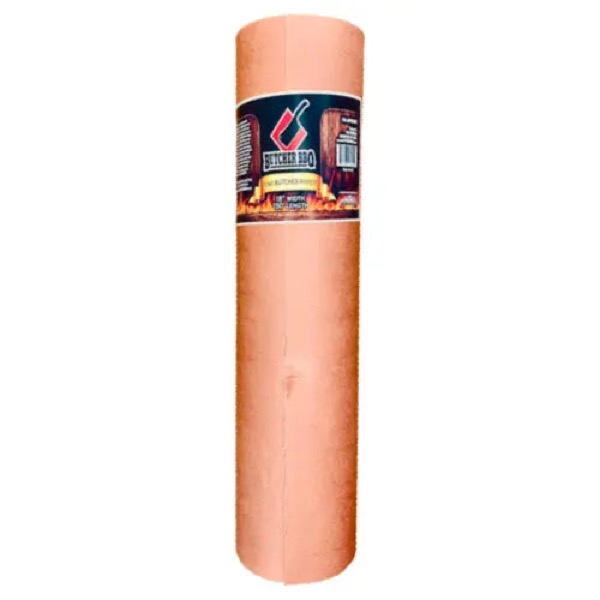
Pink Butcher Paper
Wrapping brisket at the stall (the "Texas crutch") is standard practice to push through the temperature plateau faster. Foil works but traps steam and softens the bark. Pink butcher paper (specifically unwaxed) lets steam escape while retaining enough heat to push through the stall — the preferred method for bark-preserving wrapping. Buy a roll, not pre-cut sheets.
Important nuance: must be unwaxed/food-grade. The pink color is standard; white butcher paper is often waxed and should not be used for this.
Check Price on AmazonWhat to skip
Grill gloves with heat ratings beyond what the task needs: A pair of silicone or insulated gloves is useful for moving hot grates or a dutch oven. The $80 extended-cuff "1500°F rated" versions are overkill for backyard grilling; a $15-20 pair does the same job. Basting brushes with cheap bristles: silicone brushes clean more easily and don't shed bristles into your food — get one of those instead of the traditional bristle type. Grill mats: they work, but they prevent the char marks and smoke contact that are the whole point of grilling.