Best Pellet Smokers for Beginners
Pellet smokers are the easiest on-ramp into real wood-smoked barbecue. You set a temperature, the auger feeds wood pellets into a fire pot automatically, and a controller keeps things steady for hours without you babysitting a charcoal fire. They're not the only way to get good barbecue, but for a first smoker, they remove the single hardest skill (fire management) so you can focus on the parts that actually make food taste good.
What actually matters when you're choosing one
- Temperature stability, not max temperature. The spec sheet number that matters most for smoking is how tightly the controller holds a low temperature (225-275°F) over an 8+ hour cook, especially in cold or windy weather — not whether it can hit 500°F for searing.
- Hopper capacity. A bigger pellet hopper means fewer refills during a long overnight cook. If you're planning to smoke briskets or pork shoulders (8-14+ hours), this matters more than it sounds like it would.
- Build quality around the seals and lid. Gaps around the lid and hopper let heat and smoke escape, which is what actually causes temperature swings — this matters more than brand reputation alone.
- WiFi/app control is a convenience, not a necessity. Nice for checking on a cook without walking outside, not worth paying a big premium for on a first smoker.
- Parts availability. Established brands with a long track record (Traeger, Pit Boss, Weber) are easier to find replacement parts for years down the line than newer, lesser-known brands — worth weighing against an unfamiliar brand's lower price.
Brands worth considering for a first smoker
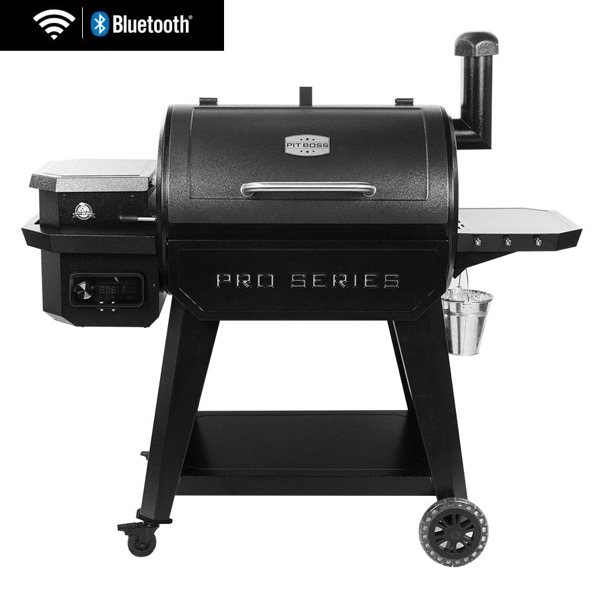
Pit Boss (800/850-series pellet smokers)
Pit Boss's mid-size pellet smokers are a common recommendation for a first smoker because they combine a large cooking area and hopper capacity with a price meaningfully below Traeger's equivalent sizes. Build quality is a step below Traeger's, but for most home cooks doing weekend cooks, that gap doesn't show up in the food.
Check Price on Amazon
Traeger (Pro-series and Ironwood-series)
Traeger effectively created the modern pellet smoker category and has the longest track record, the widest parts/accessory ecosystem, and generally the most consistent temperature control of the mainstream brands. You pay a real premium for that, but if you want the safest, most supported choice and don't mind spending more, this is it.
Check Price on Amazon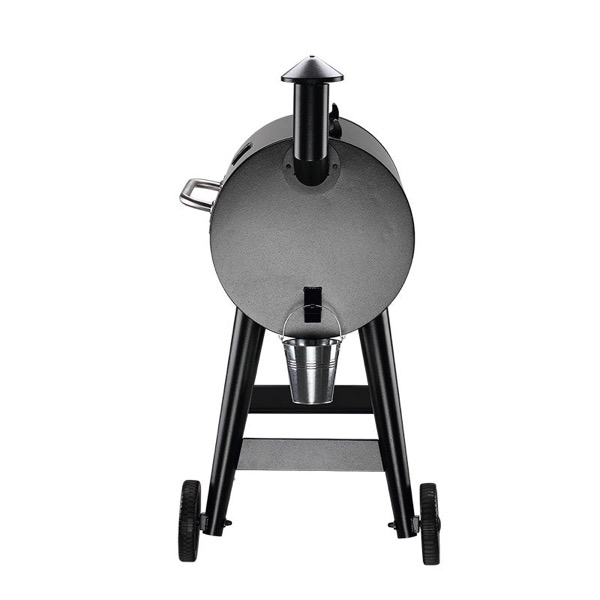
Z Grills
Z Grills consistently shows up as the lowest-cost entry point into pellet smoking from a brand with a real track record (rather than an unbranded import). Temperature control is generally a notch below Pit Boss and Traeger, but for an occasional weekend cook on a tight budget, it's a reasonable place to start.
Check Price on Amazon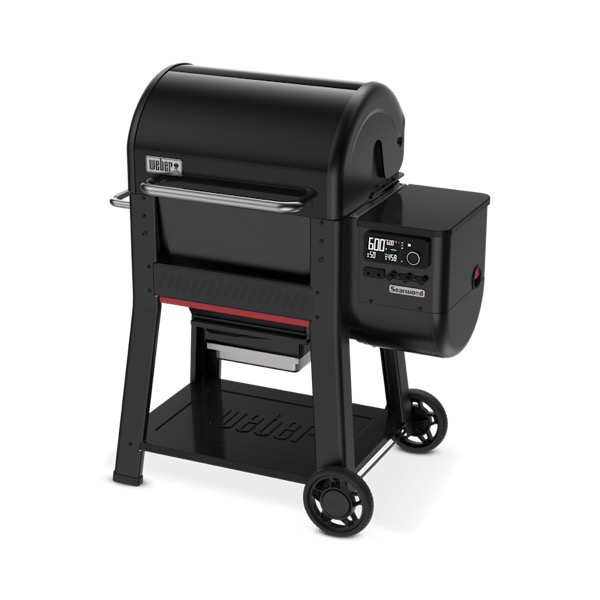
Weber (Searwood-series)
Weber entered the pellet smoker category later than Traeger and Pit Boss but brought their decades of grill build-quality reputation with them. If you already trust Weber from a kettle or gas grill and want that same build quality in a pellet smoker, this is the natural choice — at a price that reflects it.
Check Price on AmazonWhat to skip
- Unbranded or no-name pellet smokers with no real parts/support ecosystem, even if the spec sheet looks identical to a known brand — when (not if) a part fails, you'll want support.
- Paying a large premium purely for WiFi/app features on a first smoker, before you know whether you'll use that feature.
- Choosing based on maximum searing temperature — that's a grill feature, not a smoking feature, and most pellet smoker searing performance is mediocre compared to a dedicated grill anyway.
Prices and specific model availability change often — always check current pricing and specs on Amazon before buying rather than relying solely on this page.